
Tech Talk Q&A: Fuji Corporation President Takafumi Shibata And Global Sales Department Head Hatsumi Tsukamoto
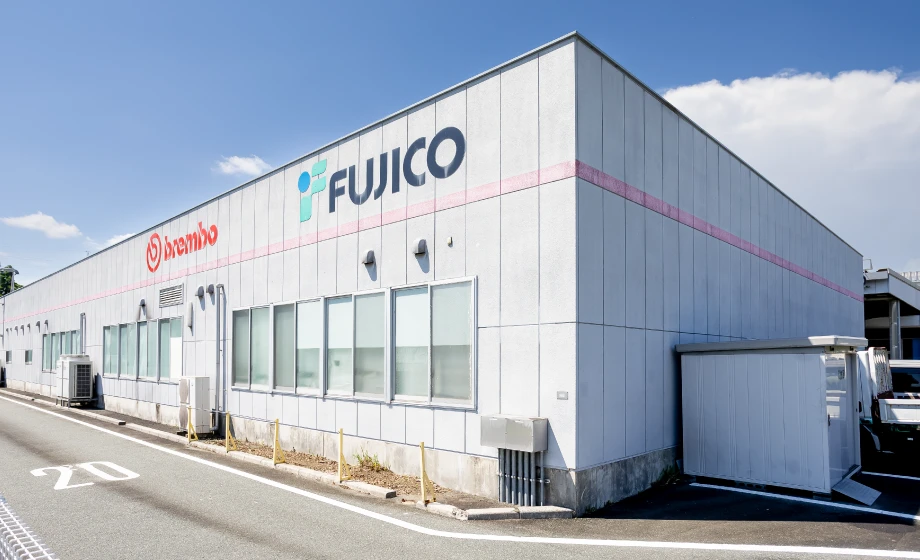
MotoAmerica: We spent some time researching Fuji Corporation (Fujico), and we were surprised to learn that Brembo is one of your customers. You assemble Brembo brake calipers. Does Fuji Corporation manufacture the Brembo Stylema calipers, as well?
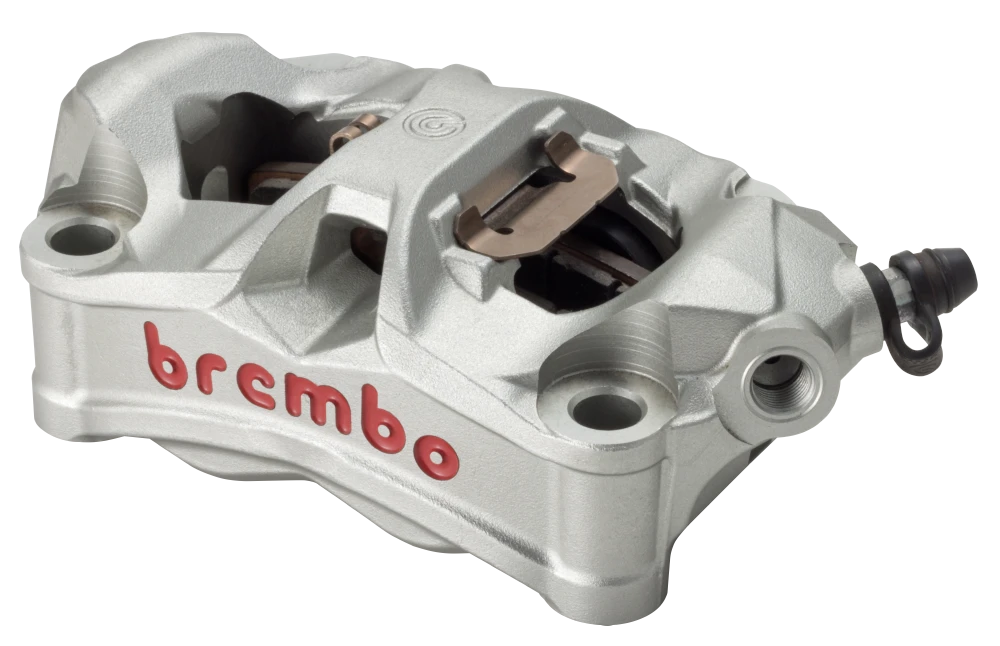
Takafumi Shibata: We assemble them. Brembo sends us the casting bodies and the other components, and then we perform the assembly.
MotoAmerica: I understand Fuji Corporation is moving away from caliper assembly and focusing more heavily on brake rotors?
Shibata: Yes. However, we already manufacture and supply more than 95 percent of the racing brake rotors used by Brembo.
MotoAmerica: What brought Fuji Corporation into the MotoAmerica paddock and specifically into the Talent Cup Championship?
Shibata: Hatsumi Tsukamoto, who leads our Global Sales Department, has been a very close friend of Kenny Roberts and his wife Tomoko for many years. That relationship created the opportunity for us to work together.
MotoAmerica: Most product development programs in MotoAmerica take place in Superbike, Supersport, or King Of The Baggers. It is somewhat unusual to see research and development happening in Talent Cup. Are these brake rotors being designed specifically for the Krämer APX-350 MA?
Hatsumi Tsukamoto: Not really. The connection comes from my history with Kenny’s team. I spent many years involved in MotoGP and developed relationships with people throughout the motorcycle industry. When we began discussing this new brake disc technology, Kenny was interested in helping us bring a completely new philosophy and design to market.
But first, we needed someone to test it.
Safety comes first, of course. We needed someone with extensive engineering knowledge and racing experience. Kenny was the perfect person to work with.
MotoAmerica: The rotors currently being used on the Krämer are floating rotors?
Tsukamoto: Yes.
MotoAmerica: Can you explain how the rotor and carrier are connected?

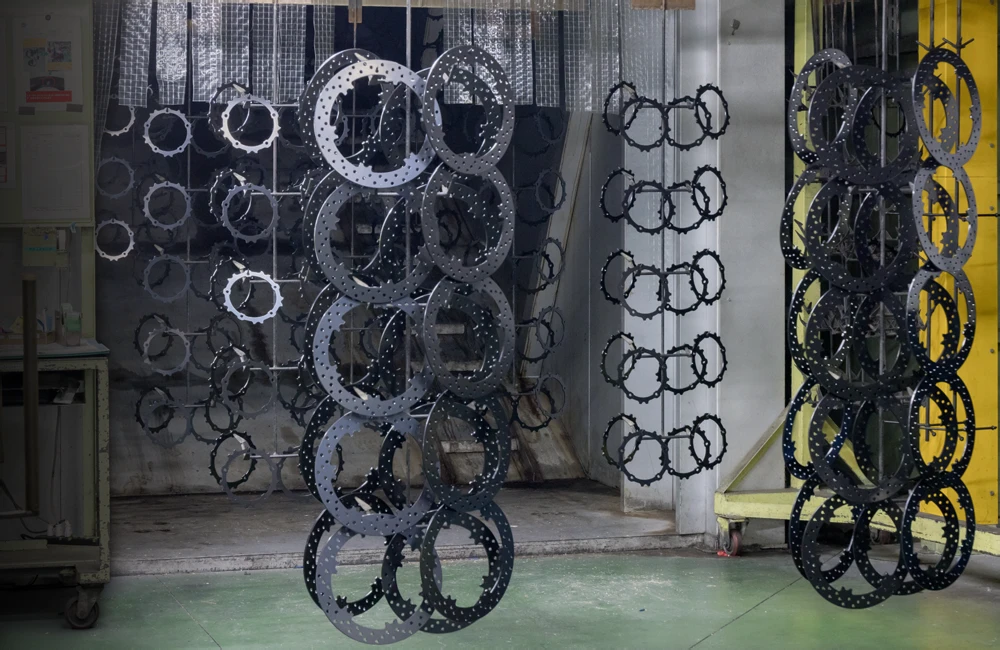
Shibata: Most racing brake rotor technology has remained largely unchanged for about 30 years. We believed it was time to innovate.
I challenged one of our engineers to develop a design that would be more environmentally friendly, use fewer raw materials, reduce weight, and lower manufacturing costs without sacrificing durability or performance.
That challenge ultimately led to the Miracle Fit Disc.
MotoAmerica: Are these rotors specific to the Krämer, or can the technology be adapted for other motorcycles and wheel manufacturers?
Shibata: This is only the beginning. The first track testing took place shortly before the opening race at Circuit of The Americas, so the technology is still very new.
We have conducted extensive internal testing, but having Kenny and Team Roberts validate the concept on the racetrack is extremely valuable. We have not yet tested the technology on other motorcycles, but adapting it would be relatively straightforward. Different sizes can be produced for many different applications.
MotoAmerica: These are still very early days in the partnership. I noticed there are currently no Fuji Corporation decals on Kensei Matsudaira’s motorcycle.
Tsukamoto: The decals will come later. That is the easy part.
Right now, our focus is entirely on the product. We want to prove the technology, prove the concept, and prove the marketability of these new racing brake discs. Branding is one of the final steps.
MotoAmerica: So instead of “show and go,” it’s “go” now and “show” later?
Tsukamoto: Exactly.
MotoAmerica: Thank you both for your time. We appreciate your involvement in MotoAmerica and wish you success with the project.
Shibata: Thank you.
Tsukamoto: Thank you very much.